
When it comes to maintaining good oral hygiene, choosing the right toothbrush is just as important as your brushing technique. With so many options available, it can be overwhelming to select the best toothbrush for your specific needs. From manual to electric, soft to medium bristles, and varying sizes, each choice can impact the effectiveness of your oral health strategy. Keep reading to learn what to look for when choosing your next toothbrush.
Manual vs. Electric Toothbrushes
The first decision you’ll face is whether to go for a manual or an electric toothbrush. Both types can effectively clean your teeth if used properly, but there are a few differences worth considering, such as:
- Manual Toothbrushes: Manual toothbrushes are the traditional option and remain popular for their simplicity and affordability. They are lightweight, portable, and come in a wide variety of shapes, sizes, and bristle types. However, because they require more effort from the user while brushing, they may not be as efficient at removing plaque and debris, especially if you have mobility issues or struggle to maintain consistent brushing pressure.
- Electric Toothbrushes: Electric toothbrushes, on the other hand, offer advanced features like oscillating or rotating brush heads that can provide a deeper clean with less effort. Many electric toothbrushes come with built-in timers to ensure you brush for the recommended two minutes. They’re also great for people who may have limited dexterity or find it difficult to apply consistent pressure. Studies have shown that electric toothbrushes can reduce plaque more effectively than manual ones and can lead to improved gum health over time.
Bristle Types
The type of bristles on your toothbrush can significantly impact the health of your gums and enamel. While the bristle type is mostly a matter of personal preference, it’s also important to choose the right one for your unique dental condition. Bristle types include:
- Soft Bristles: Soft bristles are the most commonly recommended bristles by dental professionals, and for good reason. They are gentle on your gums and enamel, which makes them suitable for people with sensitive teeth, gum recession, or those prone to cavities.
- Medium Bristles: Medium bristles offer a more aggressive clean and are suited for people with healthy gums and teeth who don’t experience sensitivity. However, they may cause irritation or damage to sensitive gums over time, so they should be used with caution.
- Hard Bristles: Hard bristles are typically not recommended for daily use, as they can be too abrasive, potentially leading to gum damage, enamel wear, and increased sensitivity. These are usually reserved for specific dental needs or short-term use under a dentist’s recommendation.
Toothbrush Head Size
The size of the toothbrush head matters more than you might think. For example:
- Small Heads: A toothbrush with a smaller head allows for better maneuverability and access to hard-to-reach areas, such as the back of your mouth. This size is ideal for individuals with smaller mouths, braces, or other dental appliances.
- Larger Heads: Larger toothbrush heads may cover more surface area, but they can be cumbersome for people with smaller mouths or those who need to pay special attention to their back teeth.
Additional Features to Consider
While bristle types, size, and manual vs. electric are the most important factors, there are additional factors you may want to consider when choosing your next toothbrush:
- Grip & Handle: If you have arthritis or limited hand mobility, look for a toothbrush with an ergonomic, non-slip handle that’s easy to hold and control.
- Timers: This feature, which is built into many electric toothbrushes, is beneficial for ensuring an adequate brushing time and thorough cleaning.
- Pressure Sensors: Some electric toothbrushes have pressure sensors that alert you if you’re brushing too hard, which prevents gum damage over time.
The Importance of Flossing
Selecting the right toothbrush depends on your individual oral care condition. If you’re still unsure, consult with your dentist, who can recommend the best type of toothbrush based on your unique needs. However, merely brushing your teeth isn’t enough to ensure optimal oral health. Flossing and brushing twice per day is essential to preventing many common oral health issues. Flossing, in particular, is the only way to remove plaque from between your teeth. Flossing regularly also helps keep tartar out of hard-to-reach places.
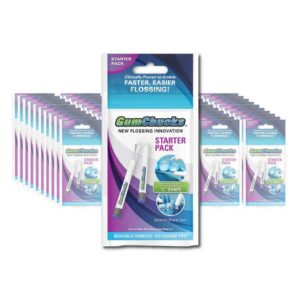
GumChucks’ design ensures a flossing experience that’s faster, easier, and more effective than competing flossers or traditional floss. Our two handles with disposable floss allows you to comfortably reach all your teeth, even those in the back while wrapping the floss around each tooth. This creates the vital “C-Shape” necessary to get below the gum line and effectively clean each tooth.
0 Comments